The May 25 appearance of Francis Collins, director of the U.S. National Institutes of Health, before a congressional committee revolved in large part around the Biden administration’s so-called ARPA-H proposal, but the administration’s proposal to waive intellectual property rights for vaccines was also on tap.
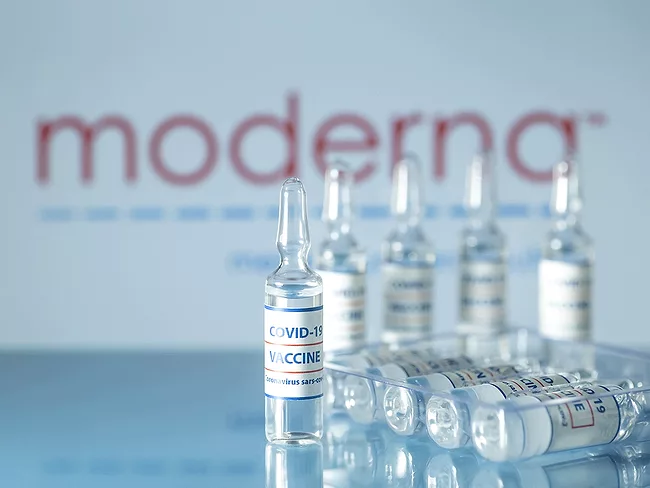
Two weeks after Pfizer Inc.-Biontech SE’s mRNA-based COVID-19 vaccine received emergency use authorization (EUA) for adolescents ages 12 to 15, the first in that age group, Moderna Inc.’s mRNA vaccine has hit the primary immunogenicity endpoint in its phase II/III study of participants ages 12 through 17.
In seeming opposition to U.S. Trade Representative Katherine Tai’s support of a proposed compulsory World Trade Organization intellectual property (IP) waiver on COVID-19-related medical products, U.S. Vice President Kamala Harris signed onto the G20’s May 21 Rome Declaration that commits the member countries to work to defeat the pandemic within the current flexibilities of the TRIPS agreement by promoting voluntary IP licensing agreements, technology and knowledge transfers, and patent pooling on mutually agreed terms.
As infections and deaths continue to surge in some countries so does the demand for unfettered access to the technologies behind COVID-19 vaccines and other medical products. In seeking that access, several countries are stressing the need to develop their own manufacturing capacity as they look beyond the current pandemic.
LONDON – The U.K. is launching a trial to investigate the potential use of seven different COVID-19 vaccines as boosters, to provide safety and immunogenicity data for if/when immune responses to initial vaccination wane and a revaccination campaign is needed later in the year. The trial, at 18 sites across the country, will recruit 2,886 participants who previously received two doses of either Astrazeneca plc or Pfizer Inc./Biontech SE’s COVID-19 vaccines.
Seychelles has seen rising numbers of COVID-19 cases despite 61% of its population being fully vaccinated as of May 8, calling into question the effectiveness of the COVID-19 vaccines used by the island nation.
Seychelles has seen rising numbers of COVID-19 cases despite 61% of its population being fully vaccinated as of May 8, calling into question the effectiveness of the COVID-19 vaccines used by the island nation.
LONDON – Delaying the second dose of Pfizer Inc./Biontech SE’s COVID-19 vaccine significantly increases the antibody response in people ages 80 to 99, compared to the approved schedule of two doses three weeks apart, according to the latest data from the U.K. coronavirus immunology consortium.
More than 150 U.S. patents could be at stake if the World Trade Organization (WTO) were to adopt an intellectual property waiver as originally proposed by India and South Africa.
LONDON – Initial results from the U.K. randomized trial assessing mixed COVID-19 vaccine schedules show there is a significant increase in systemic side effects with one dose of Astrazeneca plc’s and one of Pfizer Inc./Biontech SE’s vaccines (in either order), compared to receiving two doses of the same vaccine.
 RSS
RSS